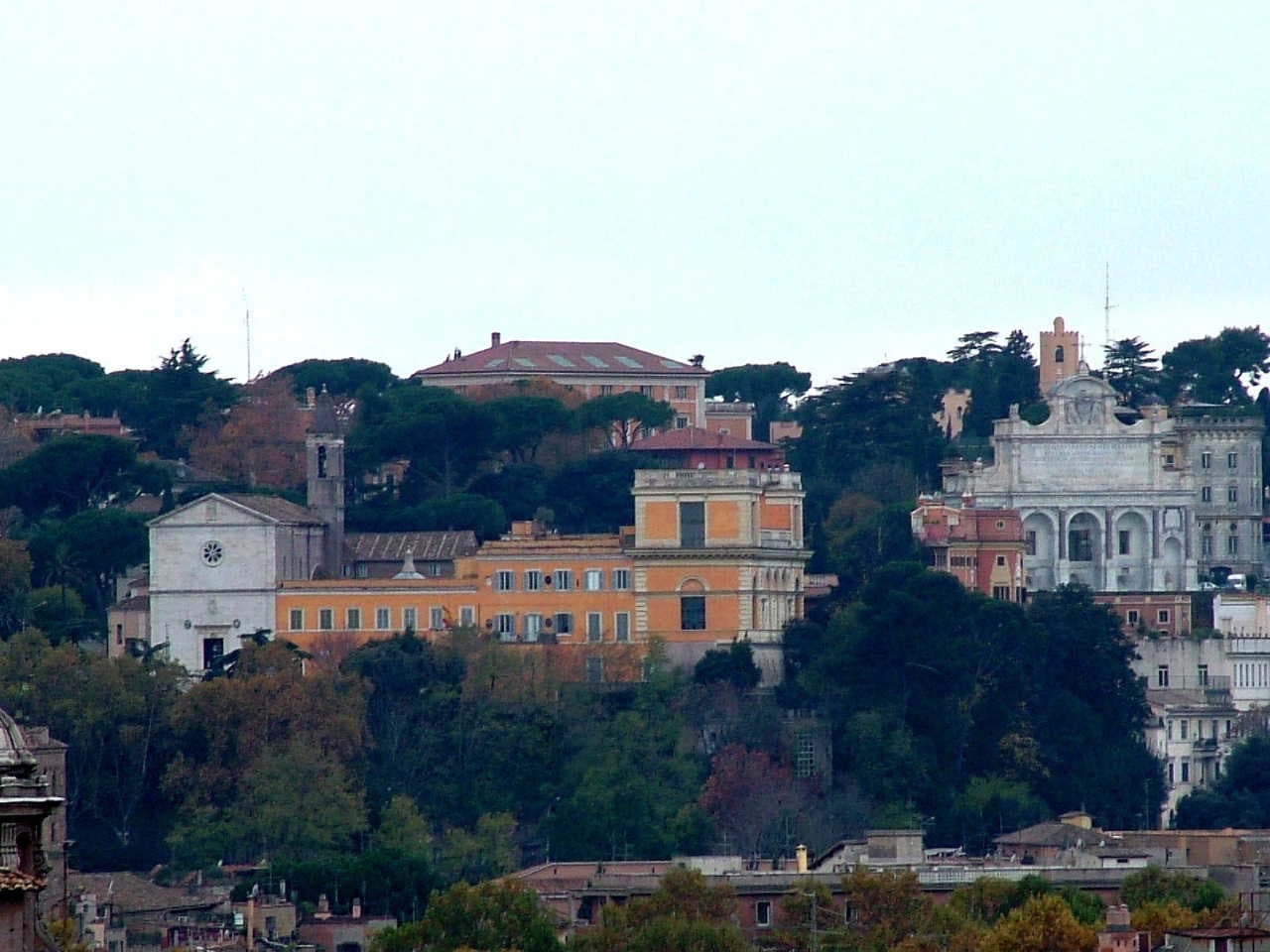
Janiculum Hill
Historical Significance
Rising above the Trastevere district, the Janiculum Hill, or Gianicolo, holds a unique position in Roman history. While not one of the original Seven Hills of Rome, its strategic height overlooking the Tiber River made it a vital defensive post from early antiquity. According to myth, it was the site of a city founded by the two-faced god Janus, from whom it takes its name. In the 7th century BC, King Ancus Marcius incorporated it into the city's defenses to prevent enemies from occupying the high ground. Throughout the centuries, it evolved from a military outpost to a site of religious significance and eventually a residential area for the Roman elite. The hill's most defining historical moment occurred in 1849 during the struggle for Italian unification. It served as the battlefield for the Roman Republic's desperate defense against French forces attempting to restore Pope Pius IX to power. Led by the legendary Giuseppe Garibaldi, the Italian volunteers fought with incredible bravery against overwhelming odds. Although the Republic eventually fell, the courage displayed on these slopes became a powerful symbol of the Risorgimento, fueling the national spirit that would lead to the eventual birth of modern Italy. Today, the Janiculum is a lush, park-like memorial dedicated to the heroes of Italian independence. Visitors can stroll along the tree-lined promenades lined with busts of famous patriots, leading to the massive equestrian statue of Garibaldi at the summit. The hill also features the magnificent Fontana dell'Acqua Paola, a 17th-century fountain that served as the inspiration for the Trevi Fountain. Beyond its historical weight, the hill remains one of Rome's most beloved spots, offering an unparalleled panoramic view of the city's domes, ruins, and terracotta roofs stretching toward the Apennine Mountains.
Did you know?
"Since 1847, a cannon has fired a blank shot every day at noon from the Janiculum to signal the exact time, a tradition started by Pope Pius IX to ensure all the church bells in Rome rang in unison."
Tour Guide Narration
AI Audio Tour
Listen to the history
Visitor Tips
- 1Visit just before sunset to witness the city transition into a sea of golden lights.
- 2The climb from Trastevere is steep, so consider taking the 115 or 870 bus if you want to save your energy.
- 3Bring a refillable water bottle to use the historic 'nasone' fountains located throughout the park.
- 4Check the schedule for the Teatrino di Pulcinella, a traditional puppet theater popular with local families.
Nearby Attractions
Tempietto di Bramante
A masterpiece of High Renaissance architecture located in the courtyard of San Pietro in Montorio.
Orto Botanico di Roma
Rome's botanical gardens, offering a peaceful escape with over 3,000 plant species at the foot of the hill.
Santa Maria in Trastevere
One of the oldest churches in Rome, famous for its glittering 12th-century gold mosaics.
Experience VibeLens
VibeLens uses advanced AI to identify landmarks and narrate their history in real-time. Join thousands of explorers worldwide.
Start Your Journey