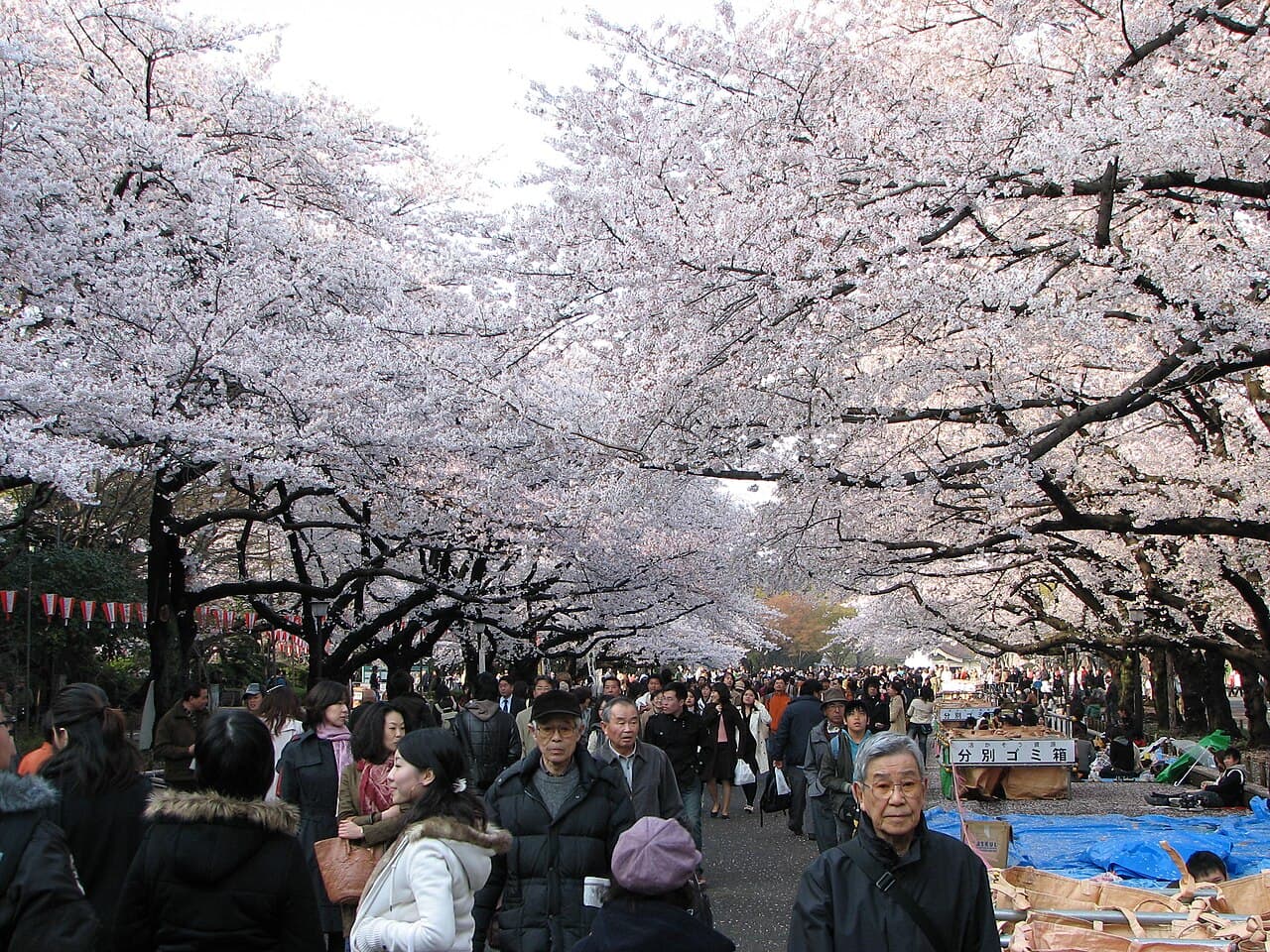
Ueno Park
Historical Significance
Ueno Park, officially known as Ueno Onshi Koen, began its journey as the grounds of the magnificent Kan'ei-ji Temple during the Edo period. This temple was a massive religious complex built to protect Edo Castle from evil spirits believed to come from the northeast. In its heyday, the temple was one of the wealthiest and largest in Japan, serving as the family temple of the ruling Tokugawa shogunate. However, much of the original temple was destroyed during the Battle of Ueno in 1868, a pivotal conflict of the Boshin War between imperial forces and shogunate loyalists. Following the battle, the land was transformed into one of Japan's first Western-style public parks in 1873. This transition was part of the Meiji Restoration's effort to modernize the country and provide public spaces for its citizens. Over the decades, the park evolved from a site of conflict into a premier cultural hub. Today, it serves as a sprawling sanctuary that hosts Japan's most prestigious museums, such as the Tokyo National Museum and the National Museum of Nature and Science. It remains a vital part of Tokyo's identity, blending historical shrines with modern artistic and scientific institutions.
Did you know?
"Ueno Park is home to Japan's first zoo, Ueno Zoo, which opened its gates in 1882 and is famous for its giant pandas."
Tour Guide Narration
AI Audio Tour
Listen to the history
Visitor Tips
- 1Visit during late March or early April to experience one of Tokyo's most popular cherry blossom viewing spots.
- 2The park's museums are usually closed on Mondays, so plan your visit for a different day of the week.
- 3Wear comfortable walking shoes as the park covers over 130 acres of diverse terrain and attractions.
- 4Purchase a 'Grutt Pass' if you plan to visit multiple museums within the park to save on admission fees.
Nearby Attractions
Ameya Yokocho
A vibrant, bustling open-air market street located under the railway tracks, famous for street food and discounted goods.
Tokyo National Museum
Japan's oldest and largest museum, housing a massive collection of art and archaeological artifacts from Japan and Asia.
Shinobazu Pond
A large natural pond within the park known for its stunning lotus flowers in summer and scenic boat rentals.
Experience VibeLens
VibeLens uses advanced AI to identify landmarks and narrate their history in real-time. Join thousands of explorers worldwide.
Start Your Journey